
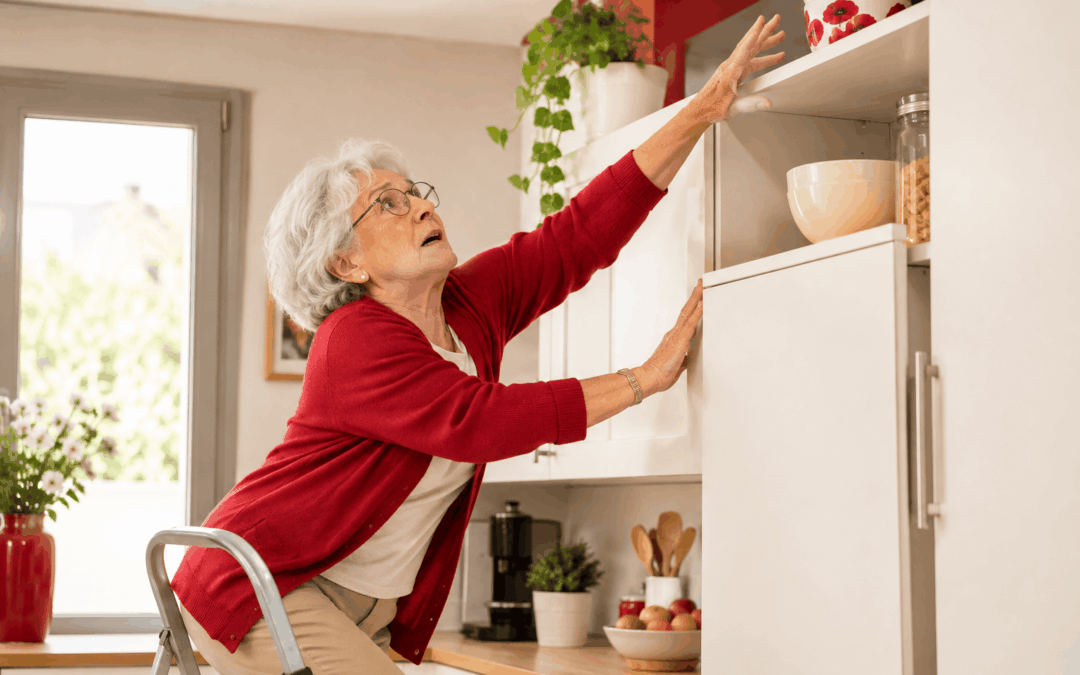
Falls pose a significant risk to the elderly, potentially compromising their independence and their ability to continue living at home. Discover the best practices for making their home safer, preventing accidents, and accessing personalized support in Monaco through Monaco Santé Services.
Elderly People in Monaco: Why Fall Prevention Is Key to Aging Safely at Home?
As people age, maintaining their autonomy and continuing to live at home under good conditions becomes a priority for many seniors. In Monaco, as elsewhere, remaining at home is a preferred option for older adults who wish to preserve their routines, their independence, and their familiar environment. However, certain everyday risks, most notably falls and household accidents, can jeopardize this balance.
An elderly person may gradually encounter difficultés pour se déplacer, monter quelques marches, prendre sa douche ou effectuer certaines tâches ménagères. Ces changements ne signifient pas nécessairement une perte totale d’autonomie, mais ils nécessitent une attention particulière et parfois un accompagnement adapté.
How can falls be prevented in elderly individuals? What home modifications can make a living space safer? What role can a home care assistant play in preventing accidents? Monaco Santé Services offers a practical guide to help you better understand these issues and support seniors in their desire to age well at home.
An aging population: a significant issue in Monaco
Demographic aging constitutes a a key issue for health and home-care policies. The Principality of Monaco is not exempt from this evolution.
According to the population census conducted by the Monaco Institute of Statistics and Economic Studies (IMSEE), the average age of Monaco residents reached 47.1 years in 2023, compared to 46.4 years in 2016 and 45.6 years in 2008. This trend reflects an increase in the average age of the resident population. Such demographic data highlight the importance of developing solutions tailored to the needs of the elderly, particularly in areas concerning prevention, safety, and enabling them to continue living in their own homes.
In France, the stakes are also significant. According to the Ministry of Health, approximately one in three people over the age of 65—and one in two people over the age of 80—experience a fall each year. The Ministry further estimates that falls among individuals over 65 account for roughly 2 million accidents annually, resulting in 10,000 deaths and more than 130,000 hospitalizations.
These figures show just how much fall prevention must be taken seriously. A household accident can lead to hospitalization, a loss of confidence when moving about, and, at times, a lasting decline in independence.
Official sources:
- IMSEE – Institut Monégasque de la Statistique et des Études Économiques.
- Ministry of Health – Fall Prevention Among Older Adults.
Why is an elderly person at greater risk of falling?
Falls in seniors can have several causes. They are often linked to a combination of physical, medical, and environmental factors.
The decline in balance and muscular strength
With age, certain physical abilities gradually decline. Muscle mass may decrease, reflexes may become slower, and balance may become less stable. These changes make some journeys more difficult, particularly when the person needs to stand back up, change direction, or navigate an obstacle. Stairs, rugs, door thresholds, and slippery floors then become potential sources of accidents.
Vision disorders
A decline in vision can also increase the risk of falls. An older person who has greater difficulty discerning obstacles, changes in elevation, or objects in their path can easily lose their balance.
Insufficient lighting, particularly in hallways and on stairs, exacerbates these difficulties. It is therefore important to have regular eye check-ups and to ensure that there is adequate lighting in every room of the home.
Chronic diseases and medical treatments
Certain medical conditions can affect the mobility and balance of elderly people. This is particularly true for certain neurological diseases, joint disorders, or cardiovascular problems.
Some medications can also cause dizziness, drowsiness, or reduced alertness. When an elderly person experiences unusual difficulty moving around, it is important to discuss this with their doctor in order to identify any potential risk factors.
Fatigue and undernutrition
Inadequate nutrition, poor hydration, or persistent fatigue can leave an elderly person vulnerable. A decline in muscle strength and feelings of weakness can, in turn, make moving around more dangerous.
Particular attention must therefore be paid to the diet, hydration, and lifestyle of seniors.
How can an elderly person’s home in Monaco be made secure?
Preventing falls often begins with a few simple modifications to the home. The goal is not to completely transform the living space, but rather to remove obstacles and make daily movement easier.
1. Secure floors and circulation areas
Poorly secured rugs, electrical cords, and objects left on the floor pose significant risks. To reduce the occurrence of accidents, it is recommended to:
- Remove unstable rugs or install anti-slip systems.
- Clear the passageways between the various rooms.
- Avoid leaving shoes or objects in areas used for walking.
- Opt for non-slip flooring.
- Ensure that the floors are always dry.
These simple actions help an elderly person move around more easily and maintain a degree of independence within their home.
2. Fitting out the bathroom
The bathroom is one of the rooms where the risk of falling is highest are particularly important. Moisture, slippery surfaces, and the movements required to get into a bathtub or take a shower can make everyday tasks more difficult.
Several pieces of equipment can improve safety:
- Install grab bars near the shower and the toilet.
- Use a suitable non-slip mat.
- Opt for a walk-in shower whenever possible.
- Install a shower seat for people who have difficulty standing.
- Ensure easy access to towels and toiletries.
These modifications make personal care easier and reduce the physical effort required. They also help preserve the privacy and dignity of elderly individuals.
3. Improve the lighting in the home
Well-lit living spaces are essential for preventing household accidents. Older people must be able to easily identify obstacles and move around without difficulty, including during the night.
It is advisable to install adequate lighting in hallways, stairways, bedrooms, and bathrooms. Automatic night lights and motion sensors can also be helpful for moving around at night.
4. Facilitate access to everyday objects
Many falls occur when an elderly person attempts to reach an object placed too high or too low. It is therefore important to avoid asking them to climb a step stool or bend over excessively. Items used on a daily basis—such as clothing, tableware, toiletries, and personal accessories—should be stored within easy reach. Adapting the home environment in this way helps to limit risky movements and allows for greater independence.
What are the best practices for preventing falls in an elderly person?
Making a home secure is not always enough. Prevention also relies on daily habits that help maintain physical capabilities and balance.
Maintain appropriate physical activity
Regular physical activity, tailored to one’s state of health, is an important way to preserve mobility. Walking, balance exercises, or supervised physical activities can help maintain muscular strength.
However, it is essential to adapt the exercises to each individual's capabilities. In cases of particular frailty or a history of falls, seeking medical advice or the guidance of a qualified professional is recommended.
Ensure a balanced diet
A varied diet that is sufficiently rich in protein helps maintain muscle mass. Fruits, vegetables, dairy products, and other sources of protein also play a role in meeting the nutritional needs of seniors.
Hydration is just as important. Some older people experience a diminished sense of thirst and may, as a result, not drink enough. It is therefore helpful to offer them water regularly throughout the day.
Wear suitable footwear
Footwear plays an essential role in stability. It is best to choose comfortable, well-fitting shoes with non-slip soles. Slippers that are too loose, open-backed shoes, or footwear with worn-out soles can increase the risk of losing one’s balance.
Do not neglect medical follow-up
Regular medical check-ups make it possible to monitor changes in one’s state of health and to detect certain vulnerabilities. In particular, vision problems, balance issues, and the side effects of medical treatments must be taken into account.
After a fall, even if there are no apparent injuries, it is important to seek medical advice in order to investigate the causes and prevent a recurrence.
What is the role of a home care assistant when working with an elderly person?
When everyday tasks become more difficult, the assistance of a home care aide can prove invaluable. This professional supports elderly individuals with activities they are no longer able to manage on their own, while remaining mindful of their personal habits and level of independence.
His or her role is not limited to providing material assistance. His or her presence also helps to make daily life more secure, maintain social ties, and provide reassurance to loved ones.
Assistance with essential daily activities
A home care assistant can, for example, provide assistance with:
- Assist the elderly person with washing and dressing.
- Assist with getting up and going to bed, as needed.
- Make it easier to move around within the home.
- Prepare meals and ensure proper hydration.
- Perform certain household chores.
- Accompany the person on outings or to appointments.
These interventions help limit high-risk situations while avoiding placing excessive demands on a vulnerable individual.
A reassuring presence to prevent high-risk situations
The regular presence of a professional also makes it possible to spot certain changes in an elderly person’s behavior or physical abilities. Unusual difficulty in getting up, increased fatigue, a loss of appetite, or apprehension about moving around can all be signs that should be taken into consideration.
The home care assistant can relay these observations to the family and, depending on how the care is organized, help facilitate communication with other professionals involved. This daily attentiveness ensures that family members do not have to face the challenges encountered by their loved one on their own.
Why favor aging at home for an elderly person in Monaco?
For many older people, remaining in their own home is a genuine lifestyle choice. The home is a familiar environment, linked to memories, routines, and important points of reference. Living at home allows individuals to maintain a degree of freedom in how they structure their days, continue to enjoy their neighborhood, and preserve relationships with their loved ones.
In Monaco, where living arrangements and lifestyles can vary significantly from one person to another, support must be tailored to each individual situation. An elderly person living alone in an apartment might require a few hours of assistance per week, while someone else, facing greater mobility challenges, may need daily support with the essential activities of daily living.
The important thing is not to wait for an accident to occur before putting solutions in place. Anticipating challenges often helps to preserve one’s autonomy and quality of life for longer.
Monaco Santé Services: personalized support for the elderly
At Monaco Santé Services, we support elderly and vulnerable individuals in their desire to live at home under the best possible conditions.
Our approach is based on listening carefully to the needs of each individual and tailoring our interventions to them personally. The goal is to provide support adapted to their daily life, taking into account the habits, capabilities, and expectations of the person being assisted.
Our in-home support services for seniors may, for example, include:
- Assistance with washing and dressing.
- Assistance with getting up and going to bed.
- Assistance with travel and mobility.
- Meal preparation.
- Maintenance of the home and laundry.
- Assistance during outings and appointments.
- Presence and relational support to combat isolation.
Depending on the needs, a specific organization can also be considered to ensure an appropriate presence and monitoring, particularly with our mobile night-time care service.
We place special emphasis on human connection, respect for dignity, and the preservation of each elderly person’s autonomy. Our goal is also to provide support to families and caregivers, who may at times find it challenging to balance their personal and professional lives with the daily care of a loved one.
When should one consider a in-home assistance for an elderly parent ?
It is not always easy for a family to recognize when a parent begins to need help. The loss of autonomy can be gradual, and some signs may go unnoticed.
However, several situations should prompt consideration of in-home support:
- The person experiences difficulties with washing or dressing.
- She has already had several falls or exhibits balance problems.
- She is no longer able to prepare her meals properly.
- Housework and maintaining the home are becoming difficult.
- She goes out less and less and is beginning to isolate herself.
- Family members can no longer provide all the necessary support on their own.
In-home assistance can be introduced gradually, starting with a few visits per week, and subsequently adjusted as needs evolve.
This flexibility makes it possible to preserve the elderly person’s lifestyle as much as possible, without imposing a sudden change to their daily routine.
FAQ: Frequently asked questions about providing support to an elderly person in Monaco
From what age can an elderly person receive in-home assistance?
There is no single age at which a person should begin receiving in-home assistance. Needs depend primarily on an individual’s state of health, mobility, and level of autonomy. A 65-year-old might require support, while another person could remain completely independent well past the age of 80.
How can falls among the elderly be prevented at home?
Prevention relies on several complementary measures: removing obstacles on the floor, improving lighting, making the bathroom safer, wearing appropriate footwear, and maintaining a suitable level of physical activity. Assistance from a home care worker can also facilitate certain daily movements and tasks.
Can a home care assistant provide support to an elderly person who lives alone?
Yes. A home care assistant can provide support to an elderly person living alone by helping with essential daily tasks, preparing meals, maintaining the home, or accompanying them when they go out. The frequency of these visits is determined based on the individual's needs and the desired arrangements.
Can home-help services be arranged following a hospital stay?
Yes. Following a hospital stay, an elderly person may require temporary or longer-term assistance to gradually return to their usual routines. Home-based support can, for instance, help with getting around, preparing meals, personal hygiene, and managing daily life during the recovery period.
How can home-based support be arranged in Monaco?
The first step is to identify the difficulties being experienced and the needs of the elderly person. A discussion with a specialized organization then helps to define the necessary services, the schedule for assistance, and the specific arrangements for support. Monaco Santé Services can provide you with information and work with you to develop a personalized solution.
Conclusion: preserving the autonomy of the elderly through tailored support
Preventing falls and making a home safe are two essential factors in enabling an elderly person to continue living at home under good conditions. With a few modifications, adjusted habits, and regular attention to one’s health, it is possible to limit many everyday risks.
But beyond equipment and preventive measures, human presence remains fundamental. Professional support helps facilitate daily activities, maintain social connections, and provide reassurance to families.
Are you looking for in-home support for an elderly person in Monaco? Monaco Santé Services can assist you in setting up a personalized service, tailored to your loved one’s specific needs and lifestyle.
Contact Monaco Santé Services to discuss your needs and find a solution tailored to supporting your loved one at home.
Phone +377 97 98 22 50
Address 1 Boulevard du Jardin Exotique, 98000 Monaco
Also discover our support service for seniors over the age of 60 in Monaco.
Get in touch with us
Discuss Your Home Help Needs

Phone
+377 97 98 22 50


Address
1 Boulevard du Jardin Exotique,
98000 MONACO